Deep Talk: Using a machine to help humans be more human

I have a strange new pandemic ritual. Every Monday, I gather my team of machine learning engineers in a video meeting to kick off the week. But before we get down to business, I use a giant neural network to generate questions that help us go deeper than small talk. We vote on our favorite question and then take turns answering it.
- What would you do if you knew you could not fail?
- If you were guaranteed that you would live forever, would you still be afraid of death?
- What is the number one thing you wish you could change about how people see you?
Those are actual questions the model generated. They indeed lead to deep talk.
We've been working remotely at Primer since the earliest days of the pandemic. This ritual is one of our solutions to the problem of feeling disconnected to each other. I can tell you: It really works.
Here's how I do it.
First, I create a prompt consisting of numbered questions. For example:
- What is the meaning of life?
- If you were the last person on Earth, who would you choose to join you?
- What animal would you be for a day?
You can find lists of such questions all over the internet, probably inspired originally by this 2015 New York Times article, 36 questions for a private conversation starter. I find that a list of at least 20 questions works best.
Then I feed this prompt to a big autoregressive language model. I use GPT-J-6B, the open source model created by Eleuther. I just copy-paste the prompt and run the model in Primer's developer interface. The model's inference takes about 5 seconds.

What comes back is machine-written text that continues where mine left off:
4. What thing would you never let anyone see you do?
5. What color are your dreams?
6. If you could have one superpower, what would it be?
Yes, these neural networks know how to count. My team uses the numbers to vote for their favorite.
I admit it may seem bizarre to use a machine to help people move beyond small talk and connect. But this is artificial intelligence at its best: Working together with humans to help them do what they do best.
I generated 365 Deep Talk questions so you can try it yourself.
Primer Enterprise
Informed, defensible analysis
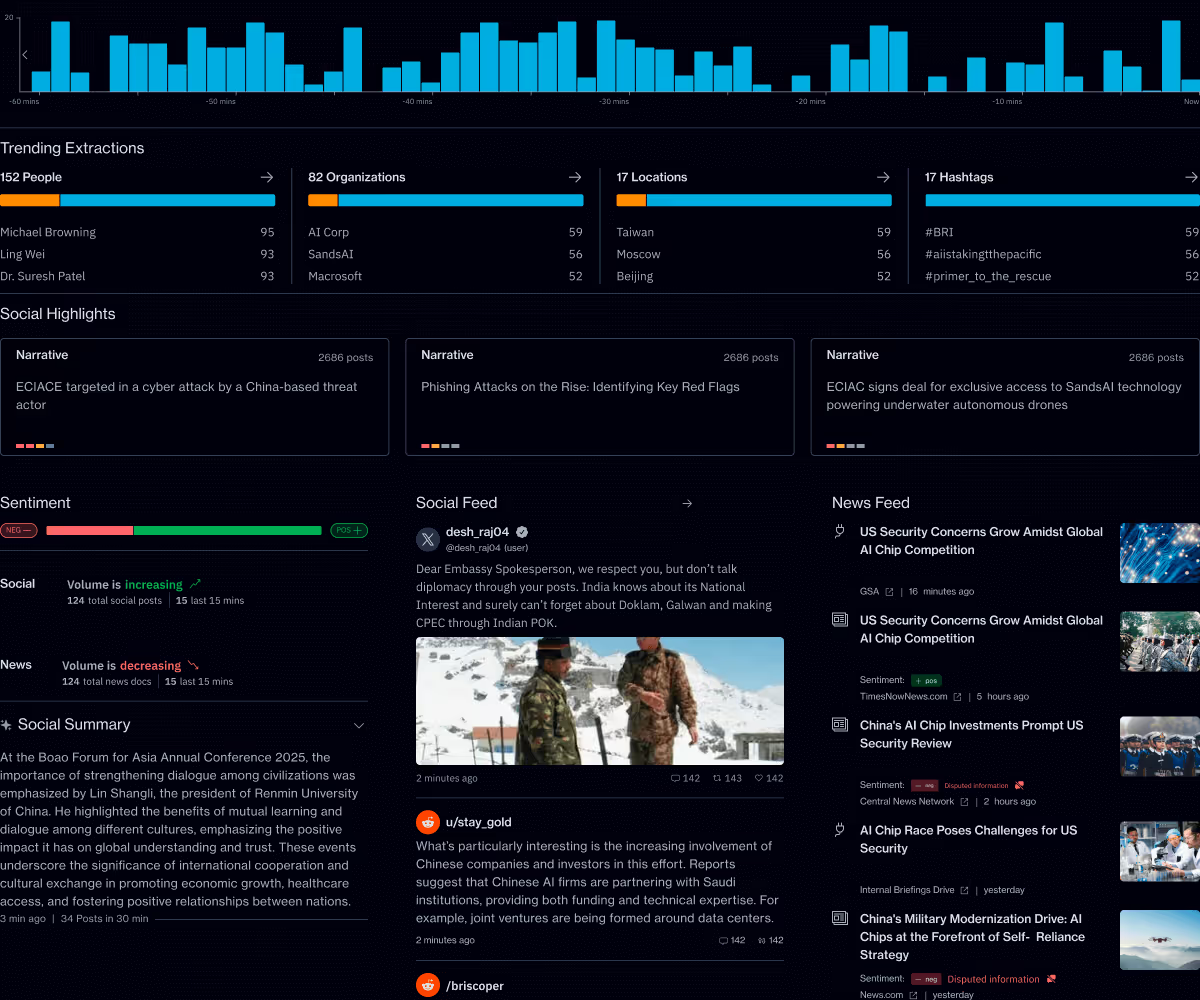
Primer Enterprise is a secure AI platform that helps analysts and mission teams across the Intelligence Community, Defense, and Civilian agencies analyze massive volumes of unstructured data. It transforms fragmented reports, proprietary data, and open-source information into structured, traceable insight that supports faster, defensible decision-making.
Primer Command
Real-time operational clarity
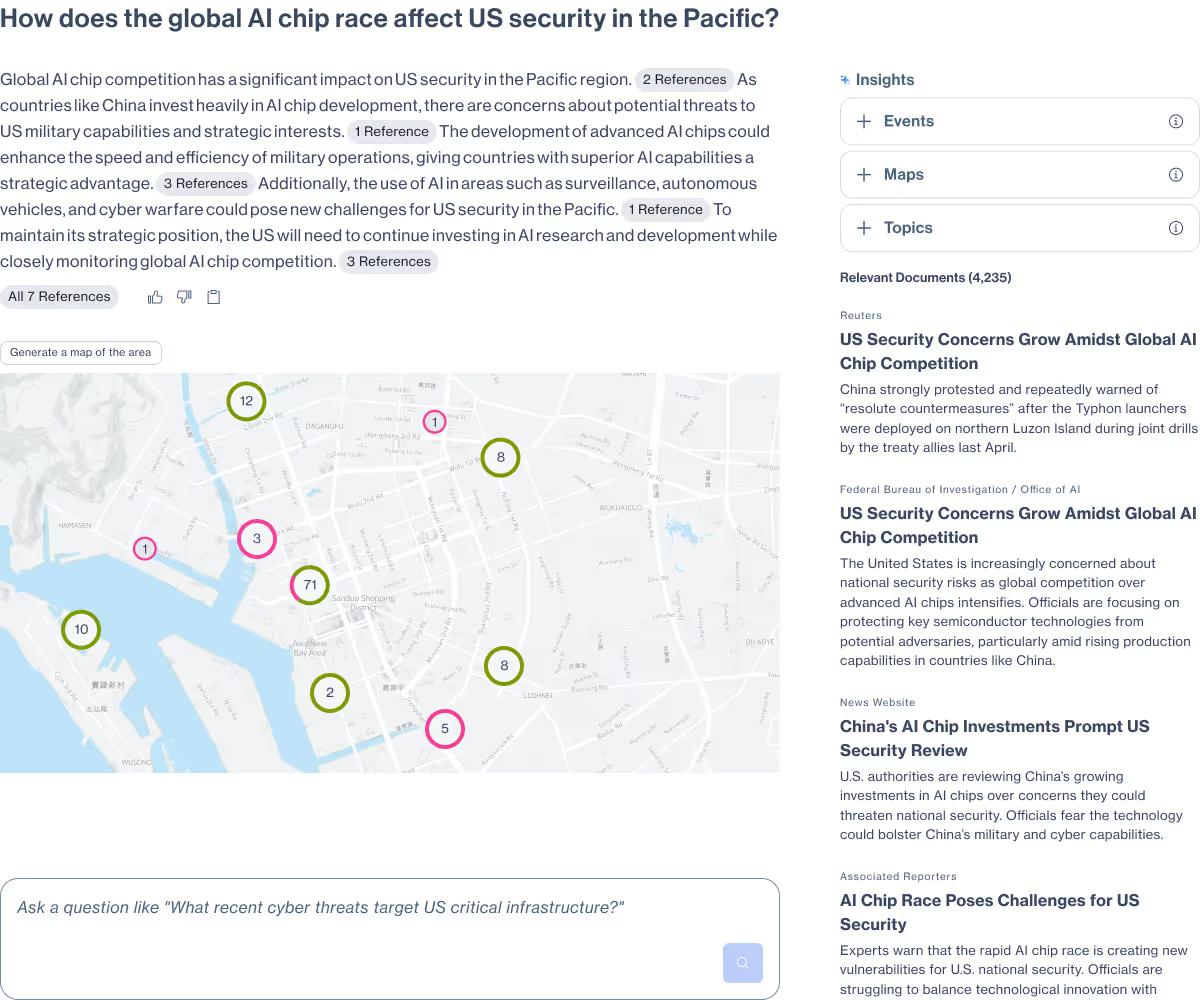
Primer Command is an AI-powered monitoring platform that helps mission teams keep track of narratives, track evolving topics, and detect emerging threats across global news and social media. It provides real-time visibility into the information environment so leaders can understand events as they unfold.