Left of Launch: Why Counter-UAS Must Move Upstream

Counter-UAS missions are defined by time.
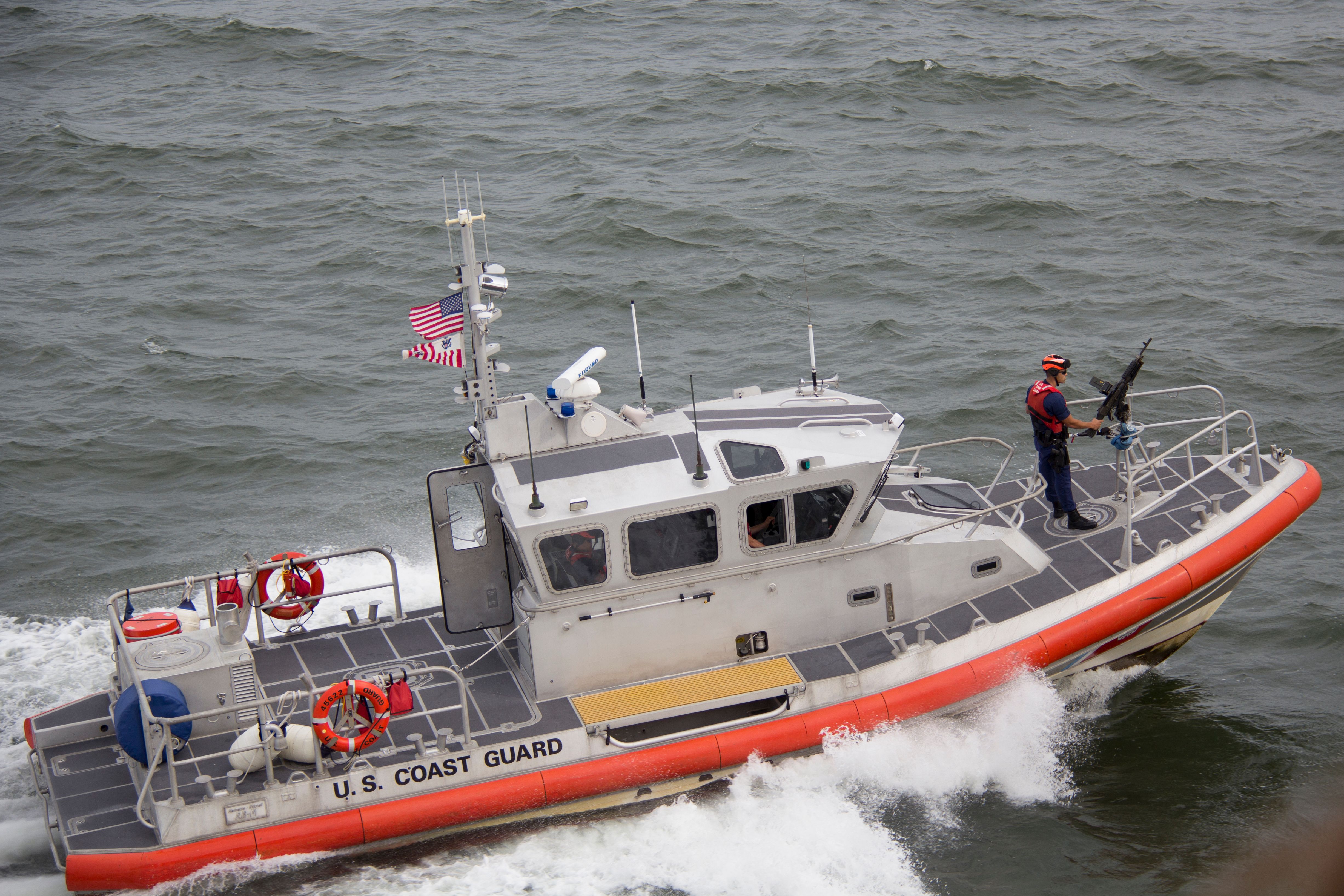
Once a drone is airborne near a military installation, public event, border area, or critical infrastructure site, defenders have to make fast decisions with limited room for error. Detection, tracking, identification, command-and-control, and mitigation systems are essential in that moment. They give operators the tools to see and respond to a threat in motion.
But the mission does not begin when a drone enters the airspace.
Before launch, threat actors leave indicators of intent, preparation, and opportunity. They scout locations, purchase and modify equipment, discuss tactics, test equipment, share techniques, adapt from other theaters, and coordinate activity across formal and informal networks. These actions produce a hidden across reporting, open sources, online chatter, imagery, local observations, and other fragmented data. Left-of-launch counter-UAS is about better use of that earlier warning so agencies can identify risk sooner, plan more deliberately, and act before the response timeline narrows.
The Threat Timeline is Growing
The counter-UAS challenge has grown more complex because the drone ecosystem has become more accessible, more adaptive, and more networked.
Commercial platforms are widely available. Modification knowledge spreads quickly. Tactics that appear in one theater can be copied, adjusted, and reused elsewhere. Threat actors can learn in public, rehearse in public, and exchange ideas across diffuse networks. In many cases, useful warning does not come from a single decisive indicator. It emerges from patterns across weak signals.
That creates a practical burden for defense and homeland security organizations. Relevant information may sit across incident reports, public posts, field observations, media, imagery captions, message traffic, and other unstructured sources. Analysts and operators may recognize pieces of the picture, but manual review alone cannot keep pace with the volume, speed, and fragmentation of the data.
This is not a failure of existing counter-UAS programs. It is a sign that the mission has broadened.
Right-of-launch systems remain necessary because agencies must be able to detect and defeat drones in real time. But a reactive layer works best when it is informed by earlier intelligence. A complete counter-UAS architecture should help defenders understand not only what is in the air, but what activity is making launch possible in the first place.
What Left of Launch Means
Left of launch is an operational approach focused on the period before a drone takes off.
It is not a replacement for sensors, electronic warfare, interceptors, or other mitigation tools. Left of Launch is a way to monitor the information environment, detect emerging indicators, analyze patterns, and produce intelligence that supports planning and action before the response window narrows.
In practice, that means looking for signs of intent, preparation, and opportunity. Are certain tactics appearing more frequently? Are actors discussing a target type or location? Are there indications of rehearsal, procurement, modification, coordination, or enabling communications? Are isolated observations beginning to point toward a repeatable pattern?
That earlier visibility matters because it gives mission owners more decision space. It can support posture changes, targeted collection, interagency coordination, watchlisting, event security planning, or more focused deployment of downstream assets.
Left of Launch Is Not Just About Earlier Warning
It is also about identifying and disrupting the network that enables adversarial drone attacks before those attacks become operational problems. Drone threats are rarely just about the aircraft. They are the visible output of a broader support structure that can include people, supply chains, training pipelines, production pathways, financiers, logistics, and local facilitators. Focusing only on the drone risks treating the symptom instead of the system. The stronger model is to identify, expose, and break the network that makes launch possible.
That is the deeper value of left of launch. It helps teams move earlier against both the platform and the ecosystem behind it.
Making Kinetic Interdiction Even More Effective
A strong counter-UAS posture still depends on right-of-launch capabilities. When a drone is airborne, agencies need reliable detection, tracking, identification, command-and-control, and mitigation options. Those systems are central to force protection, public safety, and infrastructure defense.
Left-of-launch intelligence strengthens those capabilities in two ways.
First, it improves how they are employed. If an agency has earlier insight into likely launch areas, emerging tactics, or elevated risk to a specific site, it can make better decisions about where to place sensors, how to prioritize coverage, and when to adjust operational posture. That is the classic layered-defense argument: upstream intelligence and downstream response are mutually reinforcing.
Second, and more importantly, it helps protect the intercept layer from being overwhelmed.
Adversaries increasingly design around right-of-launch defenses by accepting attrition, saturating decision cycles, and imposing cost on the defender. A mass drone campaign is not just trying to evade intercept systems. It is often trying to exhaust them. A left-of-launch capability changes that equation by reducing the number of threats that ever make it airborne in the first place. That means fewer kinetic threats for defenders to engage, less pressure on finite interceptor inventory, and a better chance of successful defeat against the threats that do get through. In that sense, left-of-launch intelligence does not compete with right-of-launch defense. It makes it more effective.
For defense readers, this should feel familiar: better intelligence improves the employment and success rate of operational capabilities. Counter-UAS is no different.
The Counter-IED Precedent
As improvised explosive devices became a persistent threat, the response did not depend only on detecting devices at the point of attack. The mission expanded upstream. Forces looked for patterns, networks, materials, signatures, facilitation pathways, and behaviors that appeared before an attack. The goal was not just to find the device. It was to understand and disrupt the system producing the threat.
Counter-UAS presents a similar planning challenge.
A drone in flight is often the most visible point in a longer sequence of activity. Before that point, there may be procurement, modification, surveillance, rehearsal, messaging, local support, or coordination. These activities may be loose and opportunistic rather than formal or centralized, but they still create patterns that can be useful to defenders.
Left-of-launch counter-UAS applies the same operational logic: understand the activity before the event, identify weak signals early, disrupt the network behind the threat, and use intelligence to inform action before the mission becomes purely reactive.
What the Capability Requires
Operating left of launch requires more than collecting additional information.
Most agencies already have access to more data than analysts can manually process. The challenge is to fuse heterogeneous sources, make sense of unstructured text at scale, identify meaningful weak signals, and connect indicators that may be separated by source, geography, language, or time.
A useful left-of-launch capability should help analysts and operators identify emerging TTPs, corroborate indicators, expose relationships, and understand when scattered observations are beginning to form an operationally meaningful pattern. It should also support evidence-ready outputs: clear sourcing, context, confidence, and reasoning that can be reviewed and acted on.
Artificial intelligence can support this workflow by processing large volumes of fragmented information and helping connect what would otherwise remain disconnected. But AI should remain in service of the mission, not the message. The requirement is not technology for its own sake. The requirement is earlier, better intelligence that helps agencies plan, prioritize, disrupt, and respond with more confidence.
Investment Should Reflect the Full Mission
Counter-UAS investment has understandably focused on the systems needed to detect and respond to airborne drones. Those systems will remain indispensable.
But as the threat timeline expands, agencies also need capabilities that operate before launch. A balanced architecture should include the intelligence layer required to understand how the threat is forming, where risk is increasing, which actors and networks are enabling attack, and how scarce operational resources can be applied most effectively.
This is a resource-allocation argument, not a critique of current programs. Sensors and mitigation systems are necessary, but they become more valuable when paired with intelligence that helps determine where, when, and why to employ them. Just as important, upstream disruption can reduce the volume of threats that ever reach the intercept layer, improving the performance and sustainability of right-of-launch defenses over time.
Where Effective Counter-UAS Begins
Effective counter-UAS begins before a drone is airborne. Left of launch is not a substitute for right of launch. It is the intelligence layer that helps teams identify pre-launch activity sooner, disrupt the networks behind adversarial attacks, and reduce the number of threats that ever make it to launch. In turn, that gives right-of-launch defenses more time, more context, and a better chance of success against the threats that do emerge.
To explore how Primer supports intelligence-led counter-UAS operations before launch, learn more about Primer’s C-UAS solution.
Primer Delta
Informed, defensible analysis
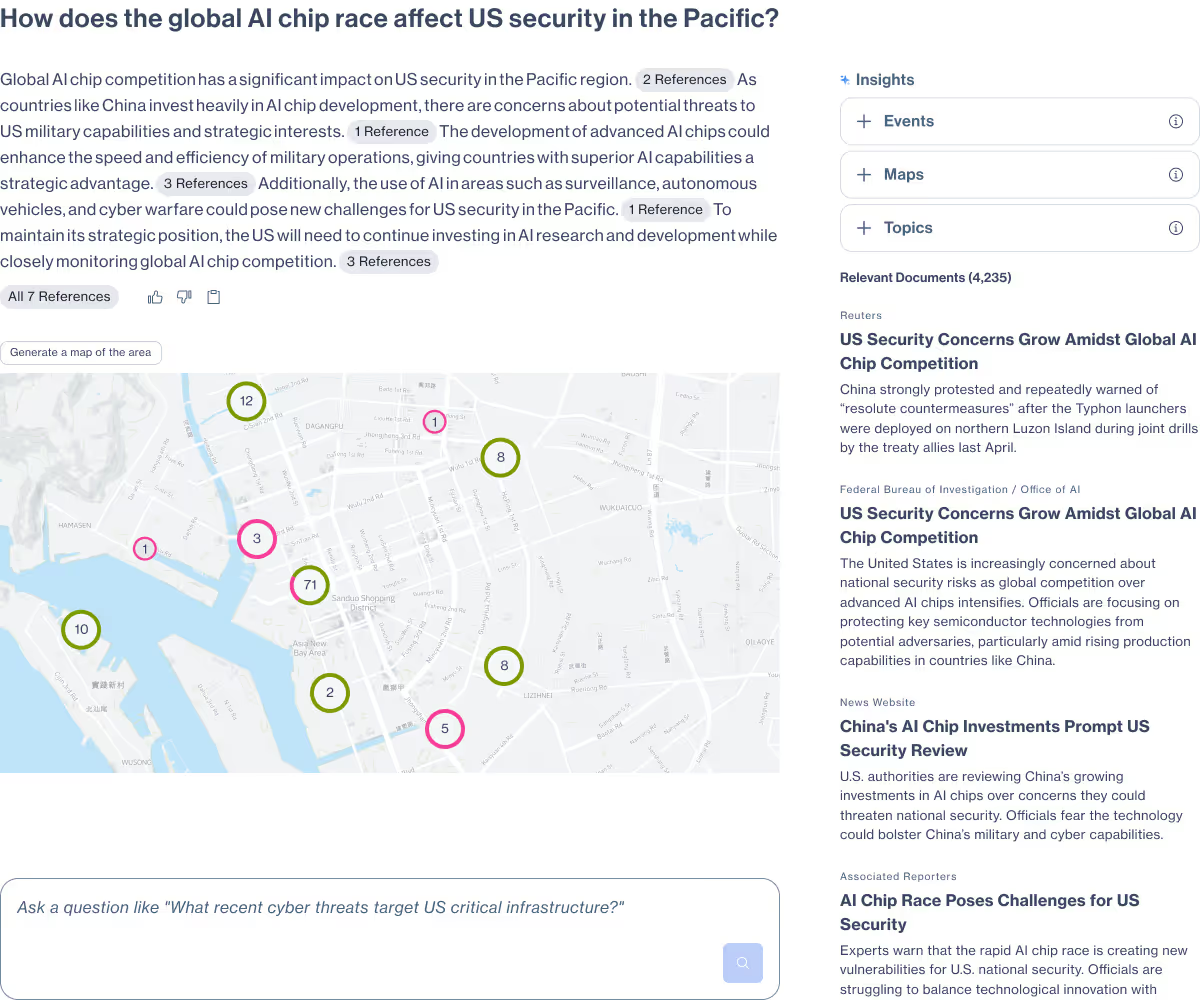
Delta is a secure AI platform that helps analysts and mission teams across the Intelligence Community, Defense, and Civilian agencies analyze massive volumes of unstructured data. It transforms fragmented reports, proprietary data, and open-source information into structured, traceable insight that supports faster, defensible decision-making.
Primer Command
Real-time operational clarity
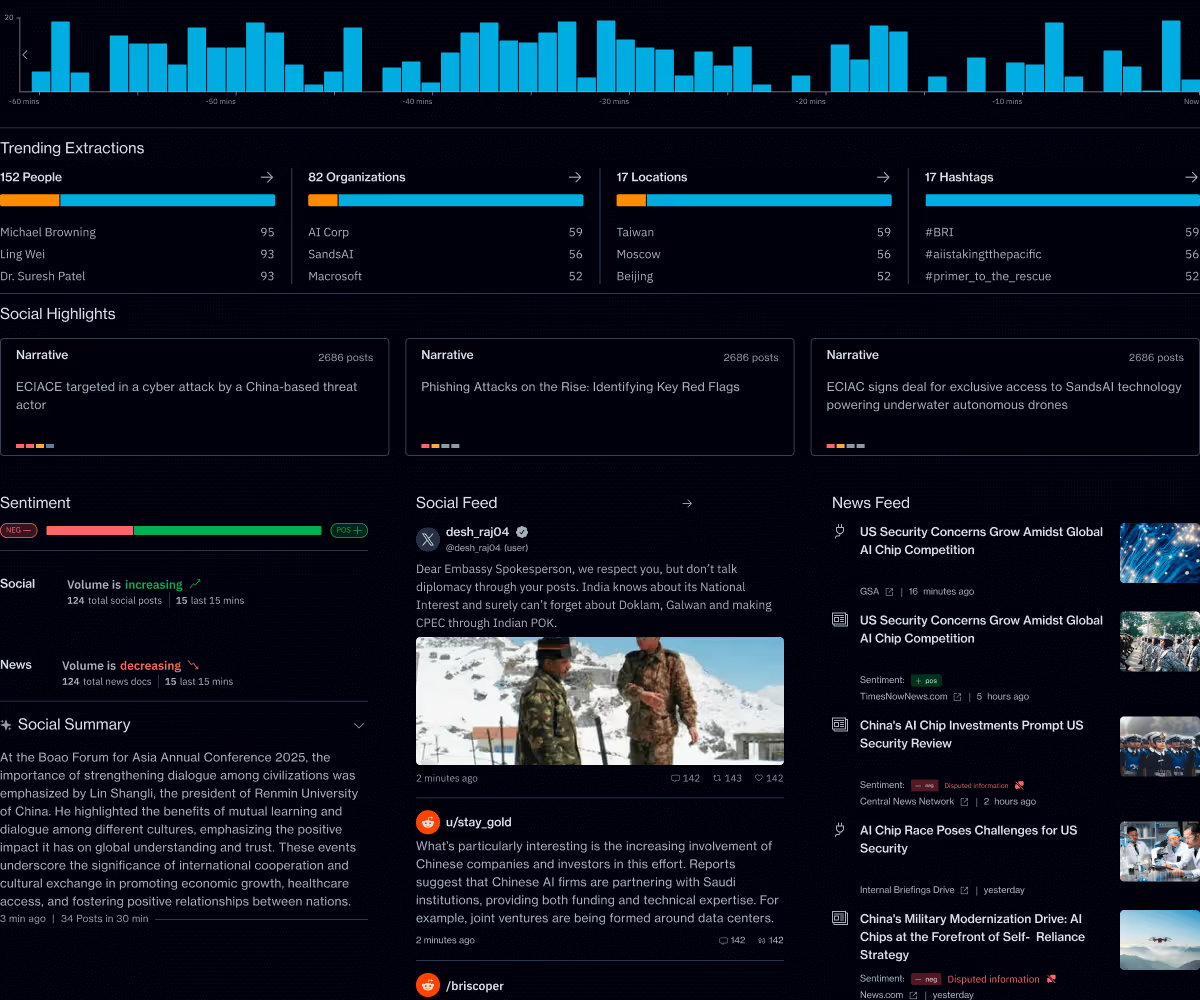
Primer Command is an AI-powered monitoring platform that helps mission teams keep track of narratives, track evolving topics, and detect emerging threats across global news and social media. It provides real-time visibility into the information environment so leaders can understand events as they unfold.